
Exploring Pelham NH's conservation areas, town forests, and private conservation areas
With 3,000 + acres of conservation areas in Pelham, NH, nature abounds.
We love rambling around to see what's happening.
Home to...
Wolven Conservation Area
In 2002, the Pelham Conservation Commission acquired 23 acres of land owned by Diane Wolven. It was deeded to the town with restrictions that it would be managed, used and maintained by the Conservation Commission as a wildlife refuge.
Diane was a lifelong resident of Pelham, NH. She graduated from Lowell High School and worked in the insurance industry for many years. She loved nature, all creatures big and small, and quiet walks on her property. She passed away in 2010.
Today, the Wolven Conservation Area is a well-loved and frequently visited conservation area. It has about 1 mile of flat, scenic trails and is an easy walk.


Friends of Wolven Conservation Area was formed to advocate for the proper stewardship of this conservation area to ensure it stays as a high-functioning wildlife refuge.

Fall Walk at Wolven Conservation Area


Wolven Conservation Area-Mosses Lichens & Fungi
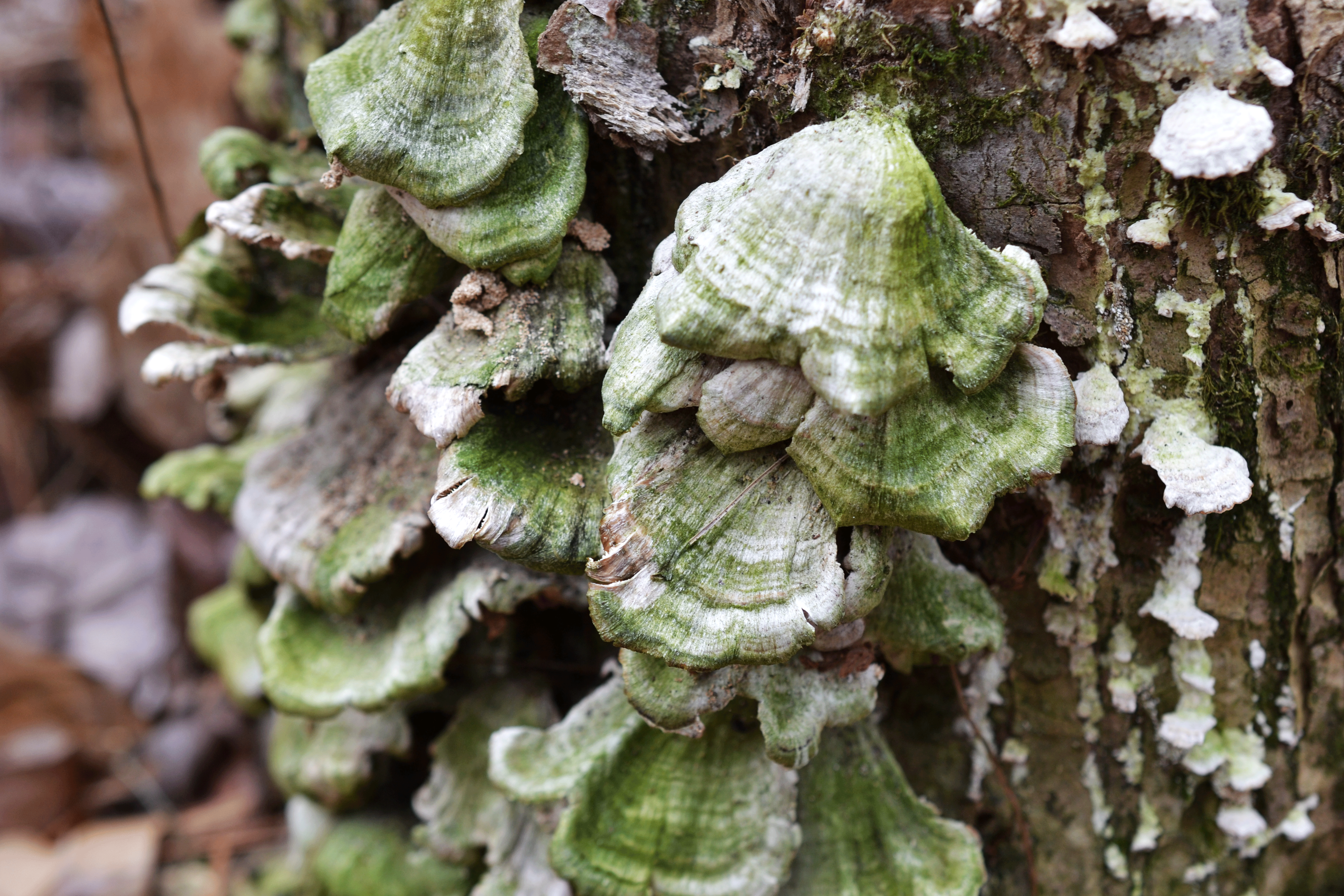
Shelf fungi growing on dead trees.
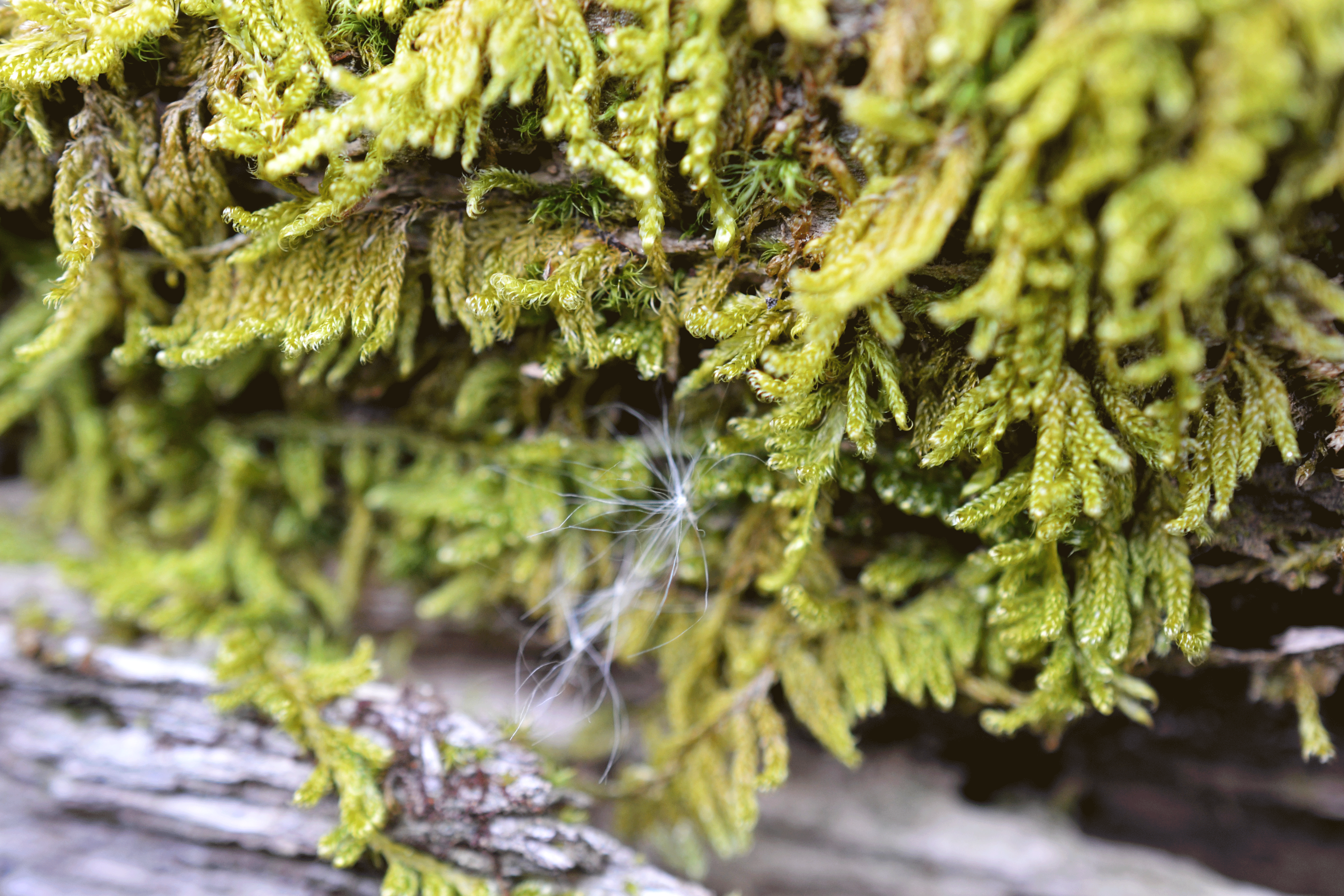
Mosses are ancient plants with no roots. Instead they have rhizoids - small hair like structures that cling to a surface.
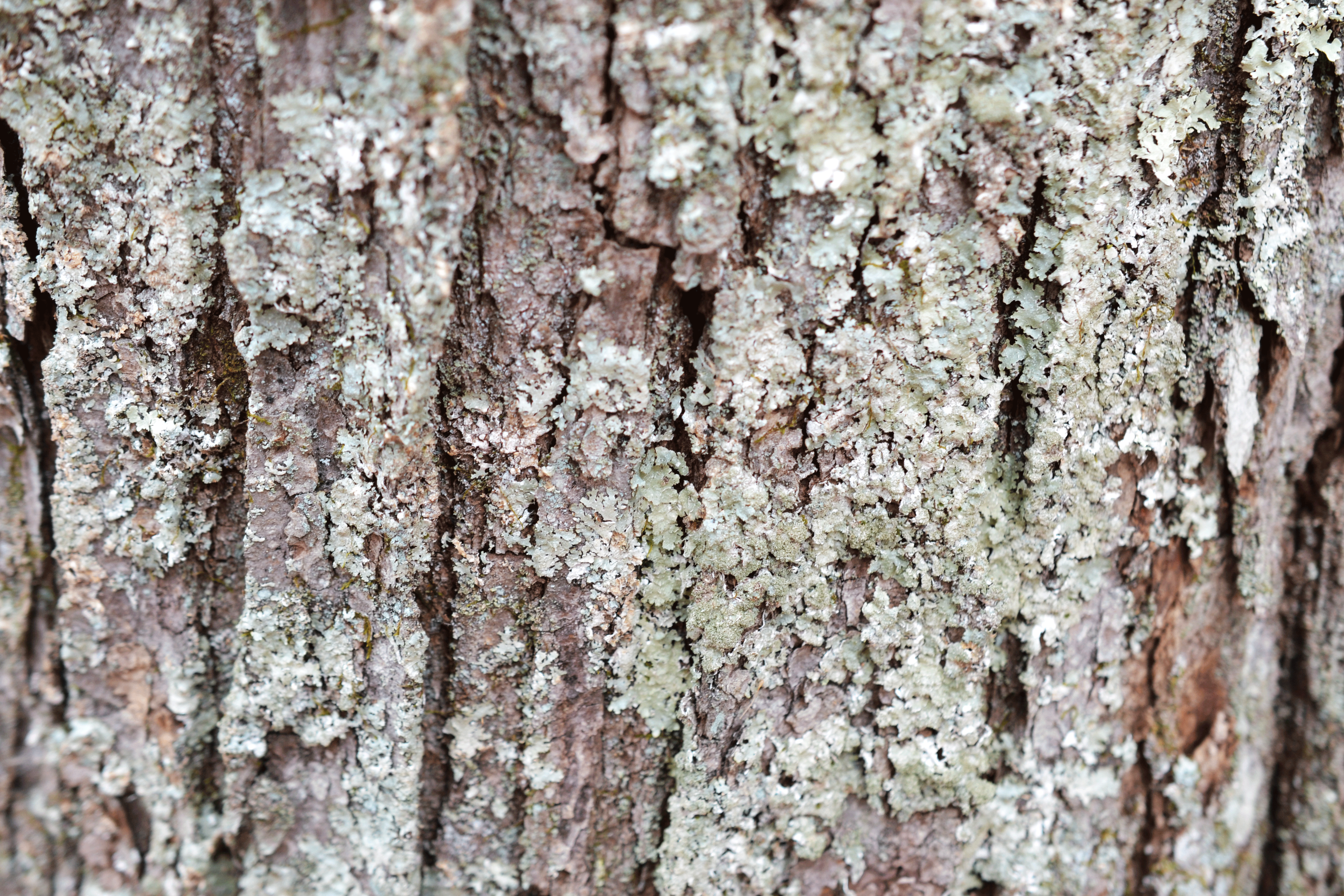
Lichens are often found on tree trunks, branches and twigs. The bark provides a stable place to collect needed sunlight, rainwater and materials from the air. They can grow on healthy trees.
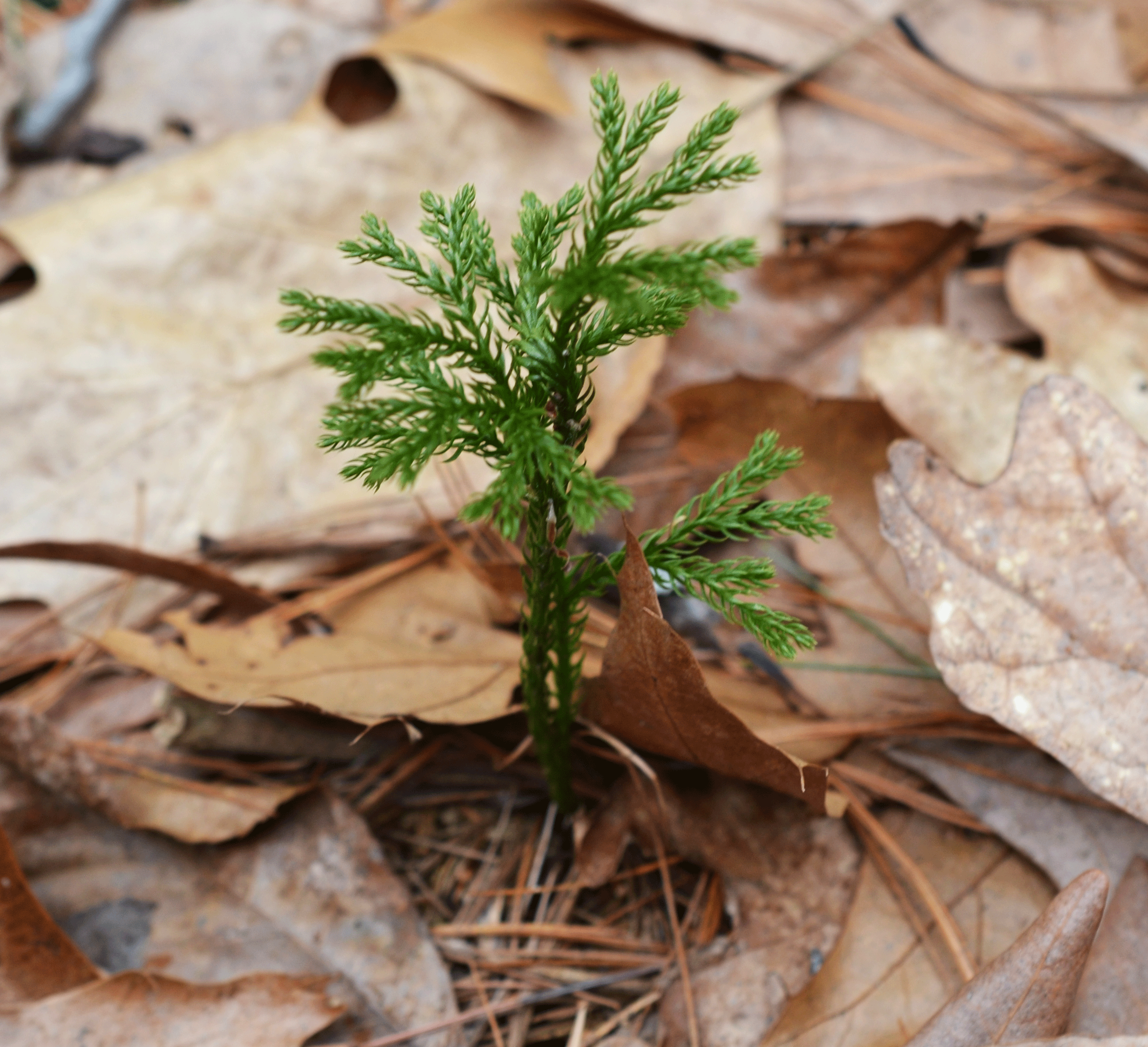
The Princess Pine is actually a clubmoss which is not true a moss, but an ancient relative of ferns and horsetails.
Field Habitat

IWolven Conservation Area


Most New Hampshire’s forests are comprised of trees averaging 70 -100 years old. Field habitats with native plants are quickly disappearing with consequences to wildlife. 60 wildlife species require fields, old fields, or young forest as their primary habitat type. Five of Pelham’s town forests have field habitats ranging from 1 acre to 15 acres. To prevent the fields from quickly reverting to forests, fields are mowed every 3 years or so. Doing this allows native flowering plants to flourish while holding back tree growth.
Advocacy - Invasive Species
Because invasive plant species are prevalent and could be destructive to the ecology of Wolven Conservation Area, the Management Plan calls for yearly evaluations of the invasives to ensure proper management of the property.
“During the writing of the ecological assessment in 2015 and subsequent site visits by natural resource professionals, multiple invasive plant species were observed in varying densities. Invasive plant species can be detrimental to natural plant communities as they often out compete native vegetation. This can ultimately lead to a shift in the vegetation found within the native plant community. Rare plant species have been identified on this property and are in danger of being outcompeted by invasive plant species. Invasive plant species found on this property include but are not limited to glossy buckthorn, common buckthorn, burning bush, autumn olive, multiflora rose, and black swallowwort. All of these species are common to southern NH.”
"It is recommended the property be monitored for invasive plant species every year." (Forest Management Plan dated 2020 and Amended 2022)
We recommend the property be monitored for invasive species every year and take recommended actions advised in the report. The 2026 annual monitoring report is due.

Download Trail Brochure Here - Microsoft Word - 1. Hiking Booklet- Wolven - FINAL
Report Trail Issues Here Trail Report Form – Pelham Pathways
Report General Issues Here - https://www.forestfriendspelhamnh.org/contact